Emergency car AC repair has a way of revealing itself at the worst possible moment. It rarely occurs during a peaceful Sunday drive. This is especially true on a breezy winter morning. It shows up in peak afternoon traffic, heat rising off the bonnet, and air stuck thick inside the cabin. That’s usually when the phone rings.
Getting an emergency car AC repair right starts with sharp Car AC System Diagnostics to catch leaks, pressure spikes, or wiring glitches before they snowball. By completing the test promptly, you can prevent your compressor from burning out, halt the recurring failure cycle, and restore the icy-cold air you require to endure Enoggera’s intense heat.
A broken air conditioner affects focus, comfort, and even safety. Long commutes without cooling increase fatigue. Fogged windows during storm season reduce visibility. That is where Emergency Car AC Repair in Enoggera steps in: rapid response, proper diagnosis, and no guesswork.
Why Enoggera’s Humid Climate Punishes Vehicle Cooling Systems Over Time
Humidity doesn’t just make people uncomfortable. It seeps into machinery. Around Enoggera, moisture finds its way into evaporator cores, ductwork, and electrical connectors.
Over the years, that moisture contributes to corrosion that drivers never see until airflow drops or strange smells develop, often leading to the sudden need for an emergency auto air conditioning service.
One recurring scenario involves vehicles parked outdoors under trees. Leaves block condensers, debris collects in drains, and airflow efficiency slowly declines. Drivers notice weaker cooling but attribute it to just a hot day. Meanwhile, the system is compensating by running longer cycles, which strains the compressor.
Heat cycling is another quiet contributor. Metal expands and contracts daily in Queensland summers. Rubber seals age faster here than in cooler regions. Small refrigerant leaks develop not because of dramatic failure but because materials fatigue earlier than expected. Emergency car AC repair in this environment is often the result of cumulative stress rather than sudden trauma.
The Gradual Decline That Drivers Often Ignore Until It Escalates
Most customers describe AC failure as sudden, but in practice, the system usually gives warnings that suggest it’s time to look for car AC repair near me. Cooling output becomes slightly less sharp, the cabin takes longer to chill, and fan speed creeps higher to compensate as the brain adapts quickly to incremental changes.
A common mistake is assuming that if air still blows cold enough, the system must be healthy. Refrigerant loss doesn’t instantly eliminate cooling. It reduces efficiency. The compressor works harder to maintain pressure balance. That extra workload shortens its lifespan.
Emergency car AC repair often begins after months of subtle decline. By that stage, internal wear may already be present. Replacing a compressor because the refrigerant was low for too long is an expensive lesson. Drivers make the connection between these issues only after they see the invoice.
The Regas Myth That Continues to Mislead Vehicle Owners
There’s a persistent belief that air conditioning issues are solved with a simple regas. That idea circulates through online forums and backyard advice. It sounds convenient and affordable. Reality tends to complicate that narrative.
Modern automotive AC systems are sealed, so significant refrigerant loss usually indicates a leak. Topping up gas without locating the source via a mobile car AC repair Enoggera specialist is temporary at best; it’s like refilling a leaking tire without patching it, and the relief is short-lived.
Emergency car AC repair frequently involves correcting prior quick fixes. Systems that were repeatedly regassed without leak detection often show deeper component wear. In some cases, overfilling refrigerant causes high pressure that damages seals and hoses. A cheap shortcut can quietly create a larger repair bill down the track.
Common Causes Behind Emergency Car AC Repair
Understanding root causes helps prevent repeat breakdowns.
| Issue | Likely Cause | Urgency Level |
| Warm air | Refrigerant leak | High |
| No airflow | Blower motor fault | Medium |
| Loud noise | Compressor damage | High |
| Bad smell | Mould in evaporator | Medium |
| The AC is not engaging | Electrical issue | High |
Queensland humidity accelerates wear. Rubber seals crack faster. Condensers clog with dust and debris. Preventative servicing reduces the need for sudden emergency car AC repair, but once failure occurs, fast action matters.
Emergency Car AC Repair in Enoggera Requires Proper Diagnostic Discipline
Enoggera emergency car AC repair requires more than just a quick fix. Even with the clock ticking, you need a methodical look at the hardware.
It all starts with really hearing what the driver says; those small notes on odd smells, rattling, or weak airflow tell a much bigger story than people think.
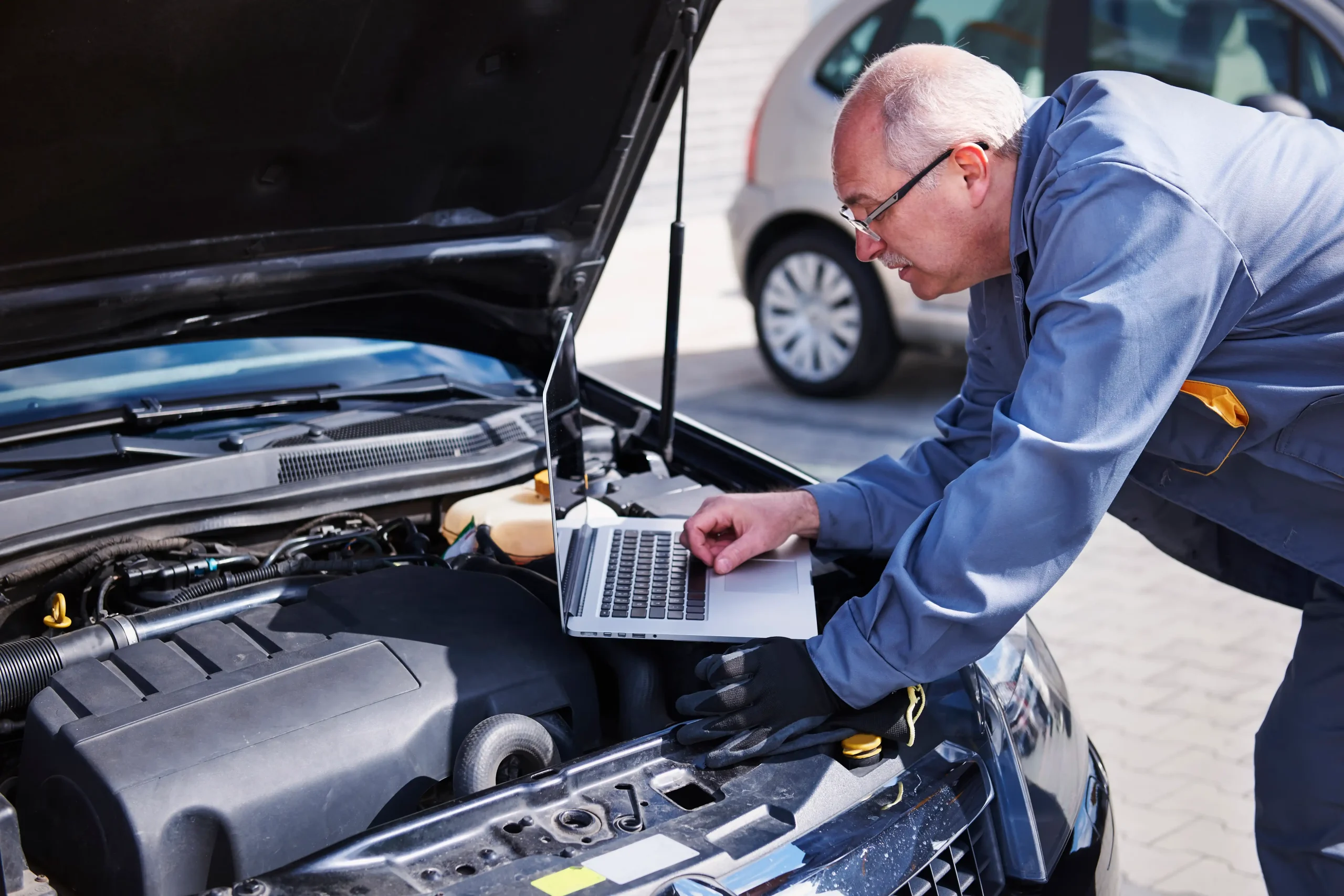
Connecting pressure gauges provides insight into whether a system is experiencing difficulties due to a blockage or if the gas levels are simply out of balance. Beyond the hardware, electrical scans dig into sensor data and the signals that actually tell the compressor to kick in. Since today’s cars tie climate control directly to the engine’s brain, a cooling failure often hides inside a line of software code instead of a dripping leak.
Rushed diagnosis leads to missteps. I’ve seen vehicles receive new compressors when the real issue was a failed pressure sensor. That mistake doubles the cost unnecessarily. Good emergency work balances urgency with precision. Skipping steps rarely saves money in the long run.
Signs That Demand Emergency Car AC Repair
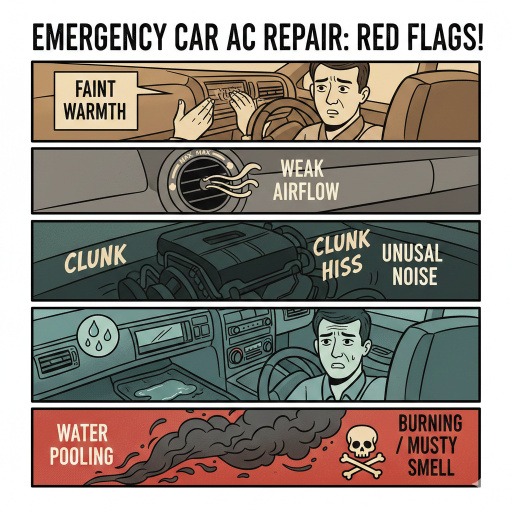
Most drivers ignore the first hint. That faint warmth. That soft rattle. Then one afternoon, cooling disappears entirely.
Here are red flags that demand urgent action:
- Hot air blowing from vents
- Weak airflow even at maximum fan
- Unusual noise when the AC runs
- Water is pooling inside the cabin
- Burning or musty smell
Compressor Failures and the High Cost of Prolonged Neglect
The compressor is the most financially sensitive part of the system. It relies on refrigerant not just for cooling but also for lubrication, meaning any delay in a vehicle cooling system fix can be costly.
Low gas levels increase internal friction, and over time, microscopic metal particles circulate through the system, leading to total mechanical failure.
Getting an emergency car AC repair right starts with sharp car AC system diagnostics to catch leaks, pressure spikes, or wiring glitches before they snowball. Nailing the test early means a one-and-done fix that saves your compressor from burnout and stops the cycle of repeat failures, bringing back that ice-cold air you need to survive Enoggera’s brutal heat.
Emergency car AC repair cases involving compressor seizure often reveal months of prior warning signs. Drivers mention intermittent noise or fluctuating cooling that was ignored. It’s understandable. Vehicles are busy tools in people’s lives. But compressors rarely fail without some early signal.
Mobile Versus Workshop Repairs: Convenience Versus Control
Mobile AC services have grown popular around Enoggera, and for good reason. Busy schedules make workshop drop-offs inconvenient. For minor leaks or regassing, mobile solutions work effectively and save time.
However, complex electrical faults or component replacements benefit from workshop environments where a same-day AC repair can be performed with specialized tools. Hoists provide access, and controlled spaces reduce contamination risk, ensuring that some repairs receive the room and stable conditions that driveways simply can’t offer.
Selecting the appropriate course for emergency car AC repair often involves making a straightforward compromise. While everyone loves the ease of a mobile fix, some jobs just don’t fit in a driveway. Professionals provide honest advice, understanding when to take a car into a shop instead of rushing into a temporary solution.
Cost Variability and Why Quotes Differ So Widely
Customers frequently ask why quotes for similar-sounding AC problems vary dramatically. The answer lies in scope and diagnostic depth. A basic refrigerant recharge differs significantly from addressing a leak with component replacement.
For example, replacing a cracked hose may cost a few hundred dollars, including labor and gas, especially when handled by a technician certified by the Australian Refrigeration Council.
Conversely, replacing a failed compressor, flushing contaminated lines, and installing new components can approach or exceed a thousand dollars, depending on the vehicle.
The price tag on emergency car AC repair is tied directly to strict refrigerant rules and licensing. Staying arc-compliant keeps things green, but it does mean extra steps. Avoid low-cost quotes as they frequently neglect leak tests or flushing, resulting in a malfunctioning system and subsequent increased expenses.
Electrical Complexity in Modern Automotive Climate Systems
Older cars kept it simple with wires and knobs. Today’s setups are woven into car computers and complex sensors. In fact, a single glitchy temp sensor can kill your cooling entirely, even if your gas levels are exactly where they should be.
Diagnosing these systems requires scanning tools and software familiarity, which is why a qualified automotive aircon technician is essential for an accurate assessment. Electrical issues are often misinterpreted as gas problems, leading to unnecessary Regassing attempts that waste both time and money.
Emergency car AC repair increasingly overlaps with electronic diagnostics. It’s no longer purely mechanical. Workshops that haven’t adapted to this shift struggle with accurate fault identification. Technology hasn’t simplified repairs. It’s layered.
Preventative Maintenance Habits That Reduce Breakdowns
Preventive habits receive attention when something fails. Running the AC weekly, even in cooler months, keeps seals lubricated. Replacing cabin filters annually improves airflow and reduces system strain.
Parking in shaded areas reduces thermal stress. Cleaning debris from the front grille helps the condenser’s efficiency. Small habits compound over time. Yet most drivers focus on engine servicing while ignoring air conditioning entirely.
Emergency car AC repair becomes less frequent for vehicles that receive periodic inspections. Preventative checks often reveal minor leaks before they escalate. It’s not glamorous maintenance, but it’s practical in Queensland’s climate.
Real-World Operational Challenges During Peak Summer Demand
January heatwaves in Brisbane bring predictable surges in breakdown calls. Workshops book out quickly. Refrigerant supply chains tighten. Technicians work extended hours in already hot conditions.
Drivers usually think their breakdown is a fluke, but these patterns happen every year. Systems that barely survived the spring heat usually give up once the summer sun hits. Naturally, that’s when the rush for emergency car AC repair hits its peak.
Managing expectations during peak season is part of the job. Not every vehicle can be repaired the same day when dozens present similar issues. Planning preventative servicing before summer would reduce this seasonal bottleneck, yet few drivers think that far ahead.
Conclusion
Getting an emergency car AC repair done fast brings back the chill and saves parts from total burnout. The brutal Enoggera heat is relentless on your car, so catching a small leak or a failing part early is the only way to ensure your air stays ice-cold all season long.
Don’t let weak airflow or warm vents disrupt daily driving. Contact us today for fast, professional emergency car AC repair and dependable cooling that lasts.
Frequently Asked Questions
1. How quickly should air conditioning issues be addressed once cooling weakens?
Weak cooling usually worsens. Acting early prevents compressor strain and larger system contamination. Even minor refrigerant loss can escalate if ignored. Prompt inspection often keeps costs manageable and prevents the need for extensive component replacement later.
2. Is a recharge always necessary during emergency car AC repair?
Not always. If refrigerant levels are correct and the issue is electrical or mechanical, adding gas serves no purpose. Proper diagnostics determine whether regassing is appropriate or whether a leak, sensor fault, or compressor issue is the true cause.
3. Why do repair costs vary so widely between vehicles?
Final bills fluctuate based on how difficult parts are to reach and the type of gas used. If you drive a European car, expect specialized parts. On one model, replacing a compressor might be simple, but it could be a daunting task requiring hours of digging on another.
4. Can driving with a failing AC system damage other parts of the car?
Yes. Low refrigerant can strain the compressor, and debris from internal wear may contaminate connected components. Ignoring early warning signs can transform a minor repair into a broader system rebuild involving multiple parts.
5. Are mobile AC repairs as reliable as workshop services?
A mobile fix works great for a quick recharge or a small leak. That said, deep electrical troubleshooting or heavy-duty compressor swaps usually need a proper workshop. Having the right tools and a lift makes a massive difference in the quality of the repair.
6. How often should vehicle air conditioning systems be serviced in Queensland?
Yearly check-ups just make sense given how humid and hot it gets around here. A quick look-over finds leaks before they leave you sweating. If you’re constantly on the road during the summer, a little extra maintenance is the best way to skip a mid-heatwave crisis.