As temperatures rise, the comfort of your vehicle relies heavily on one essential system: the air conditioning. A well-functioning aircon isn’t just a luxury—it’s a vital safety feature that helps prevent driver fatigue and maintains clear visibility during humid or rainy conditions. When your system begins blowing warm or weak air, frustration quickly follows. Addressing the issue promptly with professional service is crucial for preserving both your comfort and your vehicle’s overall health. Understanding the intricacies of Car Aircon Repair—from diagnostics to common component failures—is the key to bringing back that icy cool airflow. For reliable service, you can also explore trusted experts through our Car Aircon Repair page at Fix It Auto Aircon, ensuring your system stays efficient and trouble-free.
Decoding the Problem: Common Symptoms Needing Car Aircon Repair
Before you book a service, understanding the symptoms your vehicle is exhibiting can help you communicate effectively with your mechanic and get quicker results for your Car Aircon Repair.
I. Warm Air Blowing from Vents
This is the most common and obvious sign that your aircon system needs attention. While often assumed to be a simple refrigerant (gas) top-up, the causes are usually more complex.
Potential Causes of Warm Air
- Low Refrigerant (Refrigerant Leak): The system relies on a specific amount of gas to cool the air. Low levels indicate a leak, which is the most frequent reason for needing professional Car Aircon Repair.
- Failed Compressor: The compressor is the heart of the system. If it fails to pressurize the refrigerant, the cooling cycle stops, resulting in warm air.
- Faulty Condenser: If the condenser is blocked by road debris or damaged, it cannot efficiently release heat, meaning the system blows warm air.
II. Weak or Intermittent Airflow
The air is cold, but it barely seems to make it out of the vents, or the temperature fluctuates wildly. This often points to problems beyond the main cooling cycle.
Diagnosing Airflow Issues
- Blocked Cabin Air Filter: A clogged filter restricts air movement. This is a maintenance item often overlooked and can cause significant drops in airflow.
- Blower Motor Failure: The blower motor is responsible for pushing the air through the vents. If it’s failing, you’ll notice weak or variable fan speeds.
- Faulty Blend Door Actuators: These small components control where the air is directed and whether it mixes with warm or cold air. If they jam, air can be restricted or stuck on the wrong setting.
III. Strange Noises or Smells from the AC System
Unusual sounds or odours are critical indicators that immediate Car Aircon Repair is necessary to prevent cascading component damage.
Identifying Noises and Odours
- Grinding or Rattling Noise: This often signals a failing compressor clutch or internal compressor damage. Continuing to run the system can cause metal fragments to contaminate the entire system, leading to a much more expensive repair.
- Musty or Damp Smell: This is usually mildew, mould, or bacteria growing on the evaporator core due to condensation not draining properly. This requires an anti-bacterial clean and thorough inspection.
- Burning or Chemical Smell: A burning smell can indicate electrical issues (like a shorted wire in the blower motor) or a serious leak of refrigerant or oil onto hot engine components.
The Technical Breakdown: Key Components Requiring Car Aircon Repair
A reliable Car Aircon Repair service will inspect the four main components of the system to isolate the failure point.
I. The Air Conditioning Compressor
The compressor is the engine of the AC system, driven by the engine belt. It compresses the refrigerant gas, raising its temperature and pressure before it moves to the condenser.
Common Compressor Failures
- Clutch Failure: The clutch engages and disengages the compressor. Wear and tear, or electrical faults, are common failures requiring replacement.
- Bearing Seizure: Internal bearings can fail due to lack of lubrication (often caused by refrigerant leaks that carry away the oil), leading to the compressor seizing.
- Contamination: Metal debris from a failing component elsewhere in the system can damage the compressor’s internal valves and pistons, necessitating comprehensive system flushing during the Car Aircon Repair.
II. The Condenser and Receiver/Drier
The condenser is located at the front of the car, acting like a small radiator. The receiver/drier filters and stores refrigerant.
Condenser and Drier Problems
- Condenser Damage: Being at the front of the vehicle, the condenser is prone to damage from stones, road debris, and minor front-end collisions, causing leaks.
- Drier Saturation: The receiver/drier absorbs moisture from the system. Over time, it becomes saturated and must be replaced. A professional Car Aircon Repair always includes replacing the receiver/drier or accumulator whenever the system is opened for major repairs.
III. The Expansion Valve/Orifice Tube and Evaporator
The expansion valve reduces the pressure of the refrigerant, cooling it rapidly before it enters the evaporator, which is where the air is chilled.
Evaporator and Valve Issues
- Clogged Expansion Valve: Debris or moisture can block the valve, preventing the necessary drop in pressure and stopping the cooling cycle.
- Evaporator Leaks: Located deep inside the dashboard, evaporator leaks are the most labour-intensive and costly form of Car Aircon Repair, as the entire dashboard often needs removal to access the unit.
Cost, Process, and Time for Professional Car Aircon Repair
Understanding what professional service involves helps manage expectations regarding cost and time. Car Aircon Repair is not a one-size-fits-all service.
I. The Diagnostic Process
A reputable mechanic will never simply Re-gas a system without a proper leak test.
Steps in AC Diagnosis
- Visual Inspection: Checking belts, hoses, visible components (condenser, etc.) for obvious damage.
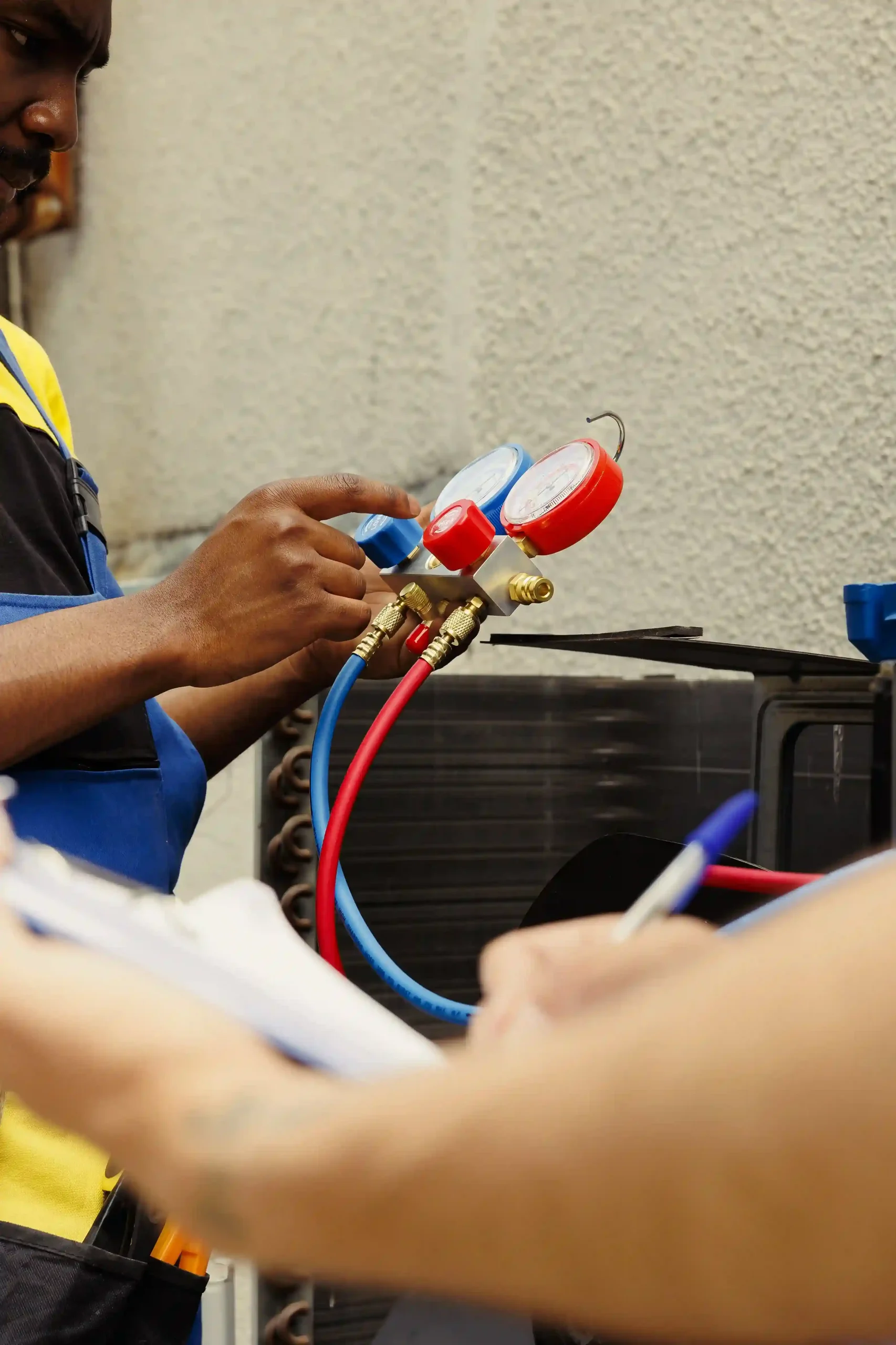
- Pressure Readings: Connecting gauges to read the high-side and low-side pressures while the system is running. Abnormal pressures immediately point to a fault (e.g., low pressure indicates a leak, high pressure indicates a block).
- Leak Detection: If pressures are low, a nitrogen pressure test or a UV dye test is performed to locate the exact source of the refrigerant leak. Only after the leak is found and fixed can the professional Car Aircon Repair proceed.
II. Understanding the Difference: Re-gas vs. Repair
|
Service Type |
What It Involves | When is it Needed? |
Typical Cost Implication |
|
AC Re-gas |
Evacuating any residual old gas, vacuum testing the system, and recharging with new refrigerant to the factory specification. |
When the system has lost a minor amount of gas, usually every 3-5 years as part of preventative maintenance. | Lowest cost, fastest service. |
|
Car Aircon Repair |
Fixing a specific component fault (e.g., replacing a leaky hose, a failed switch, or a condenser). |
When a leak is found or a specific part has failed. This must be done before Re-gassing. |
Mid-range cost, depending on the component. |
|
Major Component Replacement |
Replacing the compressor, evaporator, or heavily contaminated parts. Requires full system flush, component replacement, and Re-gassing. |
When the compressor fails, or contamination is found. |
Highest cost, longest downtime. |
III. Time and Cost Variables
The time for Car Aircon Repair can range from one hour for a simple Re-gas to 8–10 hours or more for a major repair like an evaporator replacement (due to the labour involved in dashboard removal).
- Simple Re-gas: $150 – $350
- Hose/Component Replacement: $400 – $800
- New Compressor and Flush: $1,000 – $2,500+ (This significant range is due to the vast differences in part costs between car makes and models.)
Preventative Maintenance: Reducing the Need for Car Aircon Repair
The best way to save money and stay cool is through regular maintenance, dramatically reducing the likelihood of major Car Aircon Repair.
I. Run Your AC System Year-Round
Even in winter, run your air conditioning for at least 10 minutes once a week.
Benefits of Regular Use
- Lubrication: Running the system circulates the oil mixed with the refrigerant, lubricating the compressor seals and preventing them from drying out and cracking (the number one cause of minor leaks).
- Seal Conditioning: It helps keep the rubber seals throughout the system pliable.
- Demisting: It prevents mildew buildup and ensures you have effective demisting capability when temperatures drop.
II. Regular Cabin Filter Replacement
The cabin air filter should be inspected or replaced every 15,000–20,000 kilometres or as per your vehicle’s service schedule.
Filter Benefits
- Improved Airflow: A clean filter ensures maximum air volume can pass through the system.
- Smell Prevention: It filters out dust, pollen, and spores that would otherwise settle on the damp evaporator and cause foul odours, thus avoiding the need for a specific odour-related Car Aircon Repair.
III. System Pressure Checks and Inspection
Ask your mechanic to perform a quick pressure check during your standard vehicle service. Early detection of slightly low pressure allows for a simple top-up or the identification of a minor, easily fixable leak before it leads to a catastrophic compressor failure. For more guidance on proper vehicle maintenance, you can also refer to trusted automotive resources like this car care guide CarsGuide.
Choosing the Right Specialist for Your Car Aircon Repair
Your vehicle’s AC system is a specialized, sealed environment. It should only be handled by licensed professionals.
I. Licensing and Certification Requirements
In Australia, any technician handling refrigerant gases must be licensed by the Australian Refrigeration Council (ARC).
- ARC Licence (AU numbers): Always confirm that the mechanic performing your Car Aircon Repair has an active ARC licence. This ensures they handle the refrigerant legally, safely, and in an environmentally responsible manner.
II. Questions to Ask Your Mechanic
- “Do you use a dedicated AC flushing process if the compressor fails?” (A mandatory step to prevent contamination of the new compressor.)
- “What type of refrigerant does my car use (R134a or R1234yf), and are you certified to handle it?” (Newer cars use R1234yf, which requires specialized equipment.)
- “Do you provide a warranty on the Car Aircon Repair parts and labour?” (A 12-month minimum warranty is standard for reputable repairs.)
Conclusion
Maintaining a functional car air conditioner is essential for safe and comfortable driving. When the cool air starts to fade, prompt and informed action is the key to preventing minor issues from becoming major, wallet-draining disasters. As we’ve explored, effective Car Aircon Repair is about far more than just “re-gassing”—it involves meticulous diagnostics, component testing, leak sealing, and often, professional replacement of failed parts like the compressor or condenser. By understanding the symptoms, committing to basic preventative maintenance like annual checks and filter changes, and choosing an ARC-licensed specialist, you ensure your system operates at peak efficiency. Investing in high-quality Car Aircon Repair guarantees that you can enjoy that refreshing icy blast, regardless of how high the mercury rises outside.
Frequently Asked Questions (FAQs)
Why does my car AC blow cold air initially, but then it gets warm after a few minutes?
This common symptom often points to an issue with the compressor clutch cycling on and off too quickly, usually due to low refrigerant levels caused by a leak. It could also indicate a blockage in the condenser or a fault in the thermal switch or pressure switch that tells the compressor when to run.
Is it safe to just top up the refrigerant myself using a store-bought can?
No, it is strongly advised against. AC systems are sealed and work on precise pressure levels; simply “topping up” without fixing a leak only provides a temporary fix and can damage the compressor by overcharging the system. Furthermore, handling refrigerant without an ARC licence is illegal due to environmental regulations.
How often should I get my AC system serviced or Re-gassed for preventative Car Aircon Repair?
While there is no strict rule, most manufacturers and AC specialists recommend having the system inspected every 12 to 18 months, even if it seems to be working. A complete Re-gas is typically recommended every 3 to 5 years, as systems naturally lose small amounts of gas over time.
What is the musty smell coming from my AC, and can it be fixed without major Car Aircon Repair?
The musty odour is usually mildew and bacteria growing on the moist surface of the evaporator core (located behind the dash). This can typically be solved with an anti-bacterial fogging treatment or a specialized cleaning spray, which disinfects the core and drains the condensation properly, avoiding the need for part replacement.
If my compressor fails, why does the mechanic say I need a full system flush?
When a compressor fails, it often shears internal metal components, releasing tiny metal shavings and debris into the refrigerant oil. If these contaminants are not completely flushed out of the lines, condenser, and evaporator, they will inevitably circulate and cause the new replacement compressor to fail prematurely.
Will replacing the cabin air filter fix a weak-blowing AC system?
If the AC is still producing cold air but the fan speed seems low, replacing a heavily clogged cabin air filter will often dramatically restore airflow and solve the problem. If the airflow issue persists after replacement, the problem likely lies with the blower motor or the blend door actuators inside the dashboard.