There is nothing quite as frustrating as hopping into your vehicle on a sweltering Queensland afternoon only to find your vents blowing warm air. In most cases, the culprit is a loss of refrigerant, which necessitates professional Car Air Conditioning Leak Repair. Identifying and fixing these leaks early not only restores your comfort but also prevents expensive damage to your compressor and ensures your vehicle remains environmentally compliant by preventing gas discharge.
If you suspect your system is losing its cooling power, it is vital to act quickly. Before jumping straight into a regas, a comprehensive Car AC System Diagnostics is the essential first step to pinpointing the exact source of the issue. Our team in Enoggera specializes in finding those microscopic fractures and perished seals that lead to total system failure, saving you time and money in the long run.
Understanding the Importance of Car Air Conditioning Leak Repair
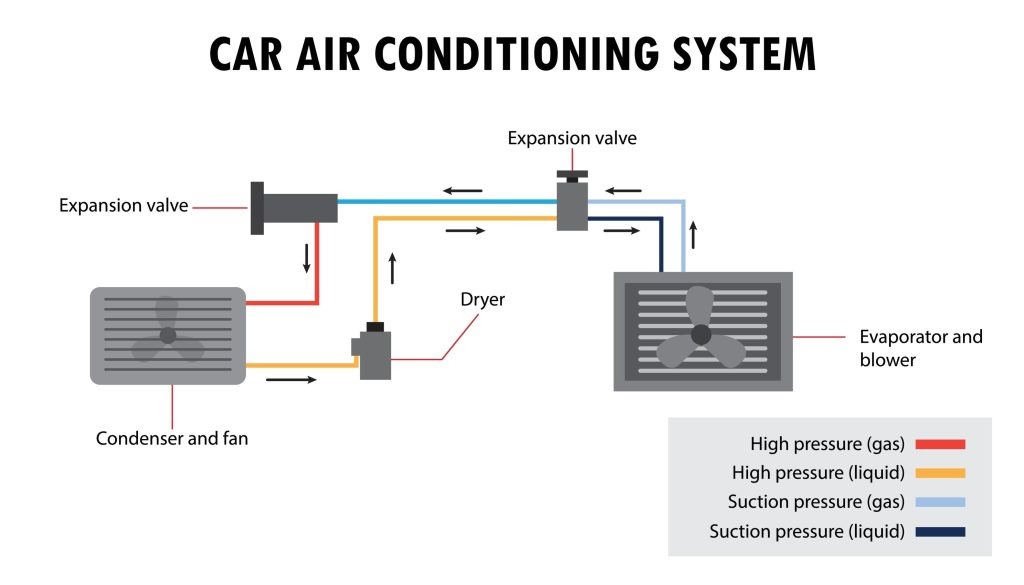
The air conditioning system in your car is a complex, closed-loop network. When a leak occurs, the refrigerant—the lifeblood of the system—escapes. Because the refrigerant also carries the oil that lubricates the compressor, a leak can lead to “compressor seizure,” a repair that costs significantly more than a standard Car Air Conditioning Leak Repair.
Why Your AC Loses Gas
Many drivers assume that AC gas simply “wears out” over time. In reality, a healthy system should not lose gas. If your air is getting warmer, you almost certainly have a leak. Common causes include:
- Rubber Hose Degradation: Over time, the rubber hoses can become brittle due to engine heat.
- O-ring Failure: Small seals at connection points can perish or flatten.
- Corrosion: The condenser (located at the front of the car) is vulnerable to road salt and debris, leading to pinhole leaks.
Common Signs You Need Car Air Conditioning Leak Repair
Detecting a leak early can save you from a total system overhaul. While some leaks are obvious, others are subtle and may take months to fully deplete the system.
Reduced Cooling Capacity
The most obvious sign is a gradual loss of cooling. You might notice the air is “cool” but not “cold,” or that it takes much longer to lower the cabin temperature than it used to. This is a classic indicator that you need to investigate Car Air Conditioning Leak Repair options.
Audible Clicking Sounds
When refrigerant levels are low, the AC compressor has to cycle on and off more frequently to try and build up pressure. If you hear a constant “click-click” from the engine bay when the AC is on, the system is struggling.
Visible Oil Stains
Refrigerant is usually a gas at atmospheric pressure, but it travels with a specialized oil. If you see greasy, oily spots on AC fittings, hoses, or the condenser, it’s a tell-tale sign that gas is escaping from that exact point.
The Technical Process of Car Air Conditioning Leak Repair
Fixing a leak isn’t as simple as just “topping it up.” In Australia, it is actually illegal to refill a system known to be leaking. A proper Car Air Conditioning Leak Repair involves a systematic approach to ensure the fix is permanent.
Step 1: Pressure Testing and Nitrogen Testing
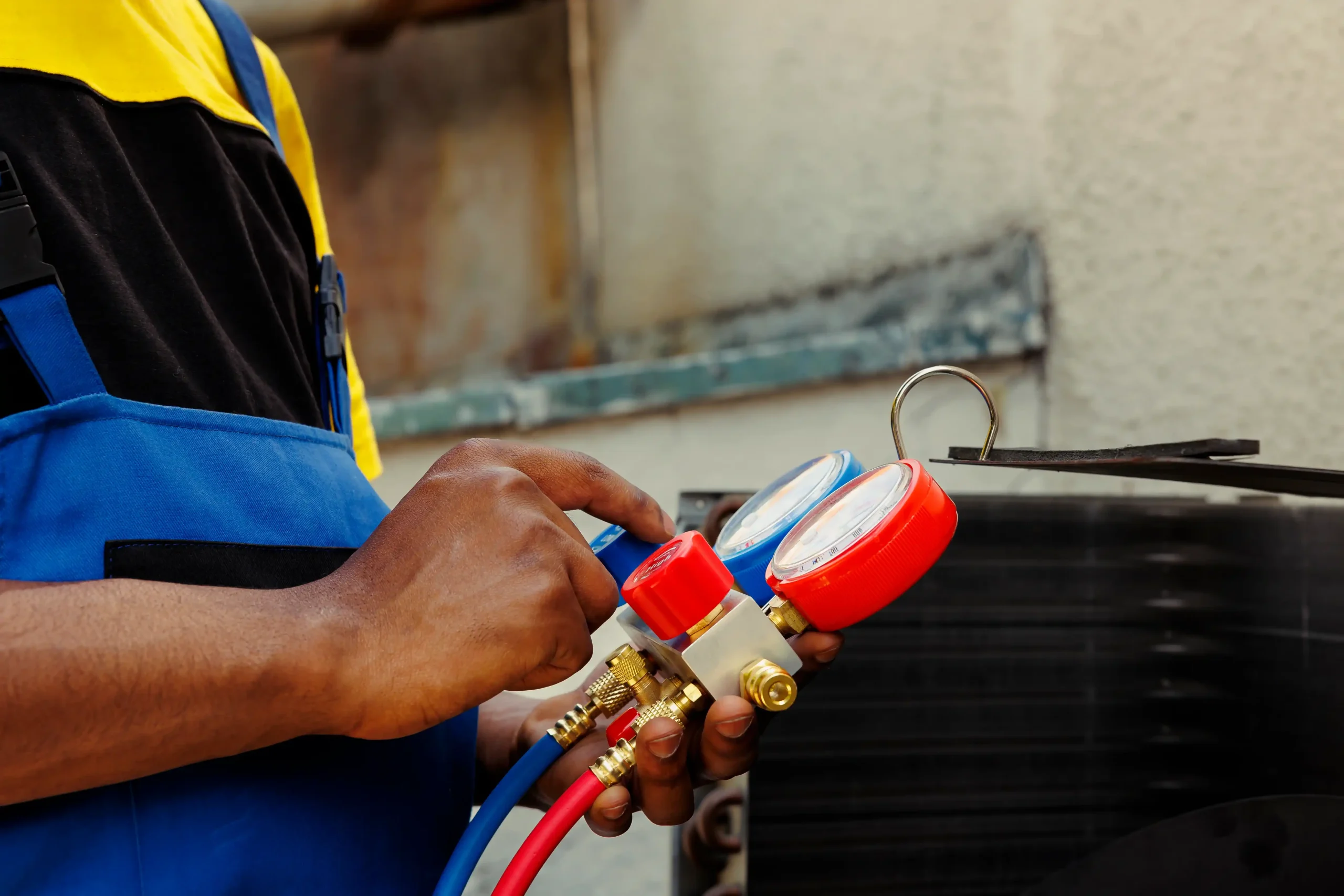
Technicians often use oxygen-free nitrogen to pressurize the system. Because nitrogen is under higher pressure than standard refrigerant, it makes even the tiniest hissing sound audible and allows the technician to watch the pressure gauges for any drop.
Step 2: UV Dye Detection
A fluorescent dye is often injected into the system. Under a specialized UV light, any area where gas is escaping will glow brightly. This is the gold standard for finding “slow leaks” that might take weeks to manifest.
Step 3: Electronic Leak Detectors
Also known as “sniffers,” these handheld devices can detect the chemical signature of refrigerant in the air. They are particularly useful for checking the evaporator, which is hidden deep inside the dashboard.
| Component | Common Leak Cause | Repair Difficulty |
| Condenser | Stone impact / Corrosion | Moderate |
| Evaporator | Internal Corrosion | High (Dash removal) |
| Hoses/Lines | Heat / Vibration | Low to Moderate |
| Compressor Seal | Age / Lack of use | High |
| O-Rings | Perishing | Low |
Why Enoggera Residents Choose Professional Repair
Living in Enoggera means dealing with high humidity and intense summer heat. DIY “recharge kits” found in some hardware stores are often a “band-aid” fix that can actually damage your car. These kits often contain sealants that can clog the expansion valve or ruin a professional recovery machine later on.
Choosing a professional for Car Air Conditioning Leak Repair ensures that the correct weight of gas is used. According to the Australian Refrigeration Council, licensed technicians must follow strict environmental guidelines to prevent the release of harmful greenhouse gases into the atmosphere.
Deep Dive: The Main Culprits of AC Leaks
To better understand why Car Air Conditioning Leak Repair is necessary, we have to look at the components that fail most frequently.
The Condenser: The Frontline Victim
The condenser sits right behind your front grille. Its job is to dissipate heat. Because of its location, it is constantly bombarded by rocks, insects, and road grime. A single stone chip can create a hairline crack.
The Evaporator: The Hidden Leak
Located inside the HVAC unit under your dashboard, the evaporator is the hardest part to access. Moisture often sits on the evaporator, which can lead to mold growth and eventually “pitting” or corrosion of the metal. If you smell a musty odor followed by warm air, you likely need a complex Car Air Conditioning Leak Repair.
The Compressor Shaft Seal
The compressor is the heart of the system. It has a rotating shaft driven by the engine belt. There is a seal on this shaft to keep the gas inside. If you don’t run your AC during the winter, this seal can dry out and start leaking.
Pro Tip: Run your air conditioning for at least 5 minutes every week, even in winter, to keep the seals lubricated and reduce the need for future Car Air Conditioning Leak Repair.
The Cost of Ignoring a Leak
Many car owners delay Car Air Conditioning Leak Repair because they think it’s just a matter of comfort. However, the financial implications of waiting can be severe.
- Compressor Failure: As mentioned, the oil travels with the gas. No gas = no oil = metal-on-metal grinding inside the compressor.
- Desiccant Breakdown: If a leak allows air and moisture into the system, the receiver drier (which acts as a filter) becomes saturated. This can lead to internal sludge that ruins the entire system.
- Fuel Economy: A struggling AC system puts more load on the engine, slightly increasing your fuel consumption as the compressor works overtime to reach target temperatures.
What to Expect During Your Repair Appointment
When you bring your vehicle in for Car Air Conditioning Leak Repair in Enoggera, the process usually follows a specific professional workflow:
Recovery and Vacuum Phase
First, any remaining refrigerant is safely recovered using a specialized machine. Then, a vacuum pump is attached to remove all air and moisture from the lines. If the system cannot hold a vacuum, the technician knows a significant leak is present.
Component Replacement
Once the leak is identified (whether it’s an O-ring or a whole condenser), the faulty part is replaced. During this stage of Car Air Conditioning Leak Repair, it is common practice to replace the receiver drier or accumulator to ensure the system is moisture-free.
The Final Regas
After the repair is verified, the system is filled with the precise amount of R134a or R1234yf refrigerant as specified by the vehicle manufacturer. A final performance test is conducted to check vent temperatures and pressure readings.
Maintenance Tips to Avoid Constant Repairs
While some leaks are inevitable due to age, you can prolong the life of your system and avoid frequent Car Air Conditioning Leak Repair by following these steps:
- Regular Servicing: Have your AC checked every two years.
- Clean the Condenser: Gently spray water through your front grille to remove debris that can cause corrosion.
- Check Cabin Filters: A clogged cabin filter makes the system work harder, increasing pressure and stress on components.
- Visual Inspections: During your regular oil change, ask your mechanic to glance at the AC lines for any signs of oil spray.
By staying proactive, you ensure that when you really need the cooling power in Enoggera, your car is ready to deliver. Professional Car Air Conditioning Leak Repair is an investment in your vehicle’s longevity and your own driving sanity.
Conclusion
In conclusion, maintaining your vehicle’s cooling system is about much more than just escaping the heat. Timely Car Air Conditioning Leak Repair protects your engine’s components, saves you money on fuel, and ensures you aren’t releasing harmful chemicals into the environment. Whether it’s a simple O-ring replacement or a more complex evaporator fix, addressing the issue at the first sign of trouble is the smartest move a car owner can make.
Don’t spend another day driving in a portable sauna. Our expert team is ready to provide the high-quality Car Air Conditioning Leak Repair you need to get back to a comfortable commute. Contact us today for a professional inspection and a clear, honest quote on your AC repairs.
Frequently Asked Questions
Can I just add more gas instead of getting a leak repair?
No. Adding gas to a leaking system is a temporary fix that wastes money and harms the environment. Furthermore, it is illegal for technicians to regas a system without performing a Car Air Conditioning Leak Repair first if a leak is known to exist.
How long does a typical leak repair take?
Most repairs, such as replacing a hose or a condenser, can be completed within a few hours. However, if the leak is in the evaporator (located under the dashboard), the Car Air Conditioning Leak Repair may take a full day due to the complexity of the disassembly required.
Is AC refrigerant dangerous?
Refrigerant is a chemical that should only be handled by licensed professionals. If it leaks into the atmosphere, it contributes to global warming. In a liquid state, it can also cause “refrigerant burns” to the skin, which is why DIY Car Air Conditioning Leak Repair is discouraged.
Why does my car smell like vinegar when the AC is on?
This is often caused by bacteria buildup on the evaporator, but it can also be a sign of a slow refrigerant leak mixed with moisture. If the smell persists, you should have a technician check if you need a Car Air Conditioning Leak Repair or a deep antimicrobial clean.
How much does car air conditioning leak repair cost in Enoggera?
The cost varies significantly depending on the location of the leak. A simple seal replacement is relatively inexpensive, while replacing a compressor or evaporator is more costly. A professional diagnostic is the only way to get an accurate quote for your Car Air Conditioning Leak Repair.
Will a leak fix itself over time?
Unfortunately, no. AC leaks are caused by physical gaps or perished materials. These holes will only get larger over time due to the high pressure within the system. Ignoring the need for Car Air Conditioning Leak Repair will eventually lead to a total system failure.